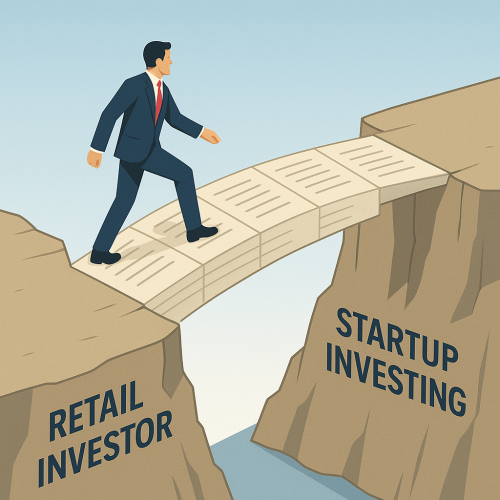
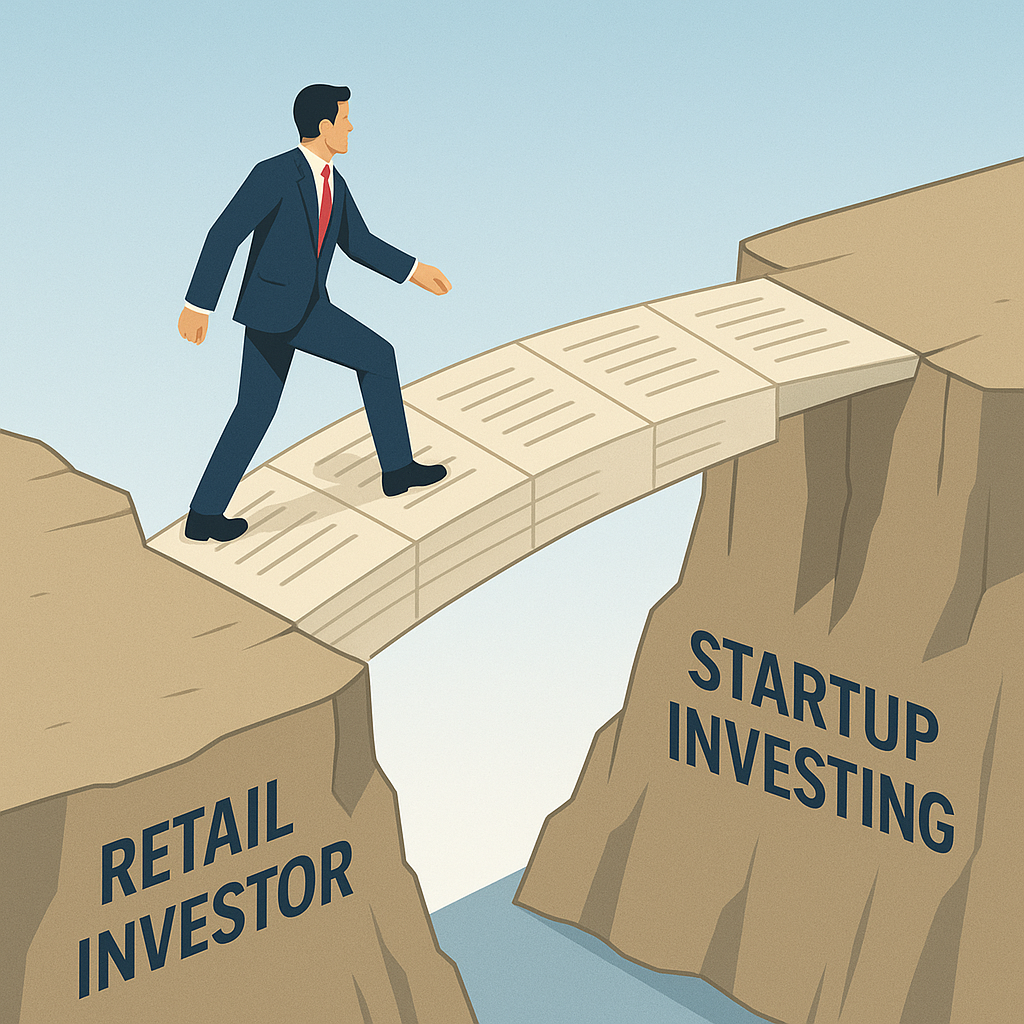
The newly introduced Self-Certified Investor category by the Ontario Securities Commission (OSC) is a welcome addition to democratize access to startup investments. While this opens up new opportunities, it also comes with specific criteria and limitations that potential investors should be aware of.
Who Qualifies?
To become a Self-Certified Investor, you must meet certain criteria. The most common qualifications include:
- Holding a CFA, CPA, CIM, or Financial Planner Designation.
- Practicing law in the Securities and M&A sector.
- Having an MBA with a focus on Finance.
- Possessing an undergraduate degree in finance, business, or commerce.
- Having management, policy-making, engineering, product, or other relevant operational experience in an industry or sector similar to the startup company.
Limitations of a Self-Certified Investor
There are also certain limitations to being a Self-Certified Investor:
- Must be an Ontario resident.
- Startup headquarters must be in Ontario.
- $30,000 investing limit per calendar year.
While the qualification criteria are broad enough to allow for greater participation, they also ensure that participants have a deep understanding of finance or technical knowledge relevant to the industry. This thoughtful approach aims to safeguard investors and startups alike.
The $30K Investing Limit: A Double-Edged Sword
The $30,000 investing limit is both beneficial and restrictive. On one hand, it appropriately limits exposure to this risky investment class, protecting investors from significant losses. On the other hand, it severely restricts the number of investments an individual can make per year.
Given that startups often seek minimum investments of $15,000-$20,000 to avoid complicating their cap tables for future funding rounds, the $30,000 limit means an individual can participate in at most two deals per year. This is a small number that increases the investor’s risk of losses because success in startup investing often depends on having a diversified portfolio.
The Power of Diversification
Venture capital and angel investing rely on the power law to achieve outsized returns. Funds with a larger number of investments typically outperform those with fewer investments. The goal is for one successful investment to yield returns larger than all other investments combined, covering poor outcomes.
This principle, also known as the Pareto principle (80/20 rule), suggests that 20% of investments will generate 80% of the returns. Increasing the number of opportunities improves the likelihood of hitting a high-performing startup that can offset the losses from other investments.
Moving Forward
The introduction of the Self-Certified Investor category is a positive step toward inclusivity in the startup ecosystem. Limiting the amount invested is sensible to reduce exposure to high-risk investments, but it also introduces a new risk factor for individual investors.
In my next article, I will discuss ways to mitigate these risks and strategies to make the most of the Self-Certified Investor program.
Stay Connected
If you’re interested in learning more about self-certified investors or startup investing, follow me for more insights and connect with me to join the conversation. Let’s explore how we can navigate and succeed in this exciting investment landscape together.