Our electric needs are expected to increase. Developments in EVs, increase in demand due to climate change, and fueling economic growth all require electric capacity to be built up. Not any source will do. Governments, investors, and consumers are all looking for a sustainable solution that will help achieve our Paris Agreement goals. Nuclear is back in the conversation as Ontario is considering building large scale nuclear plants to meet demand. (1) Moonshot ideas like fusion are in development. General Fusion, a Canadian company based in Burnaby, BC, is currently testing a fusion pilot plant. The success of which will completely reshape the energy landscape. These projects are significant, as they provide the bulk of the energy needed while also eliminating emissions. However, this leaves a hole in the market: remote communities and industries that cannot connect to the main grid.
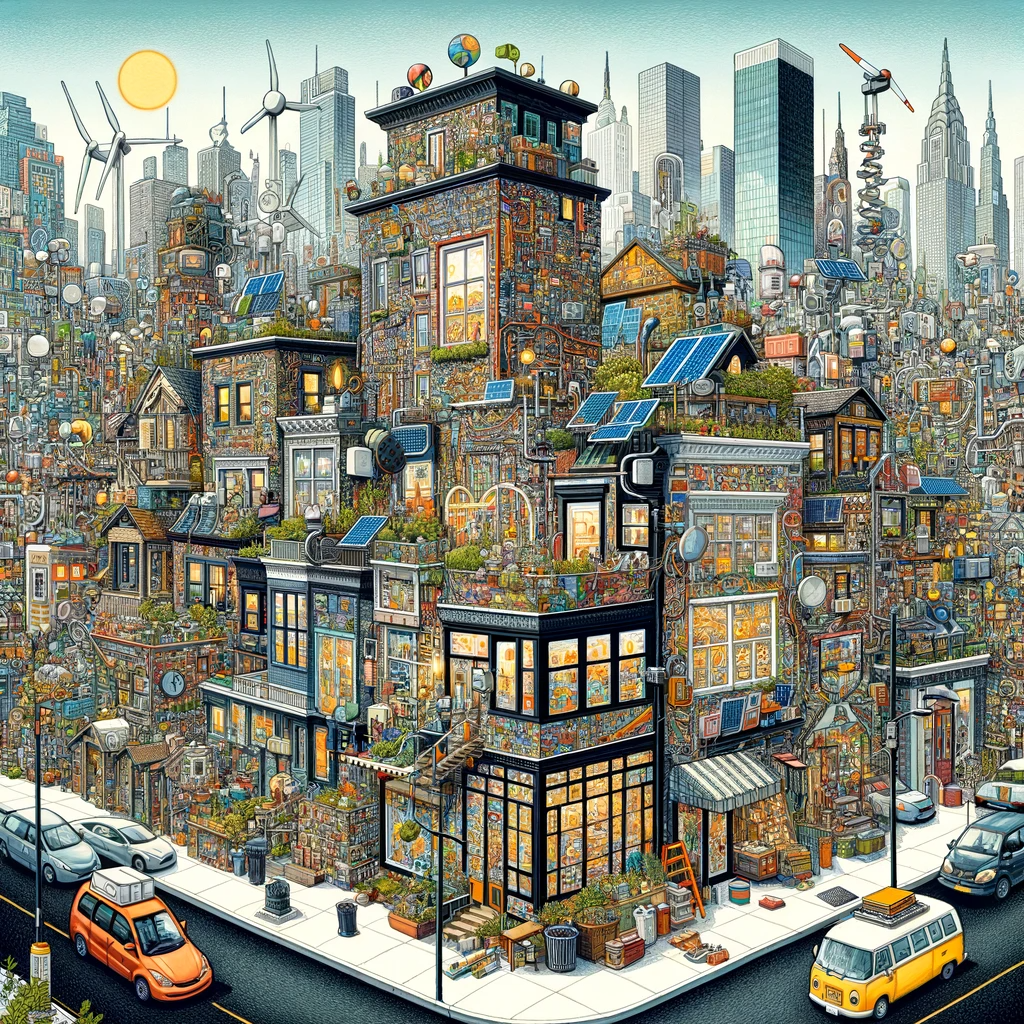
Microgrids are a solid solution that can fill the gap. Microgrids are power plants that can operate independently or in combination with the main grid. When operating independently, the system provides the energy needed for the load. When used in conjunction with the central grid, it can be used as a cost control tool, where energy is bought at cheap rates and sold during peak times. Microgrids can vary in size: small-scale are less than 100kW, while large-scale can reach 1MW. Typical components of a micro grid include:
1. Energy resource: A combination of PV, wind, and sometimes traditional sources like diesel generators.
2. Energy storage: battery energy storage systems, flywheels, or any technology that allows the storage of excess energy.
3. Controllers, switchgears, distribution infrastructure: Components that facilitate the interaction between the system and the load (that demands energy) in a safe and efficient manner.
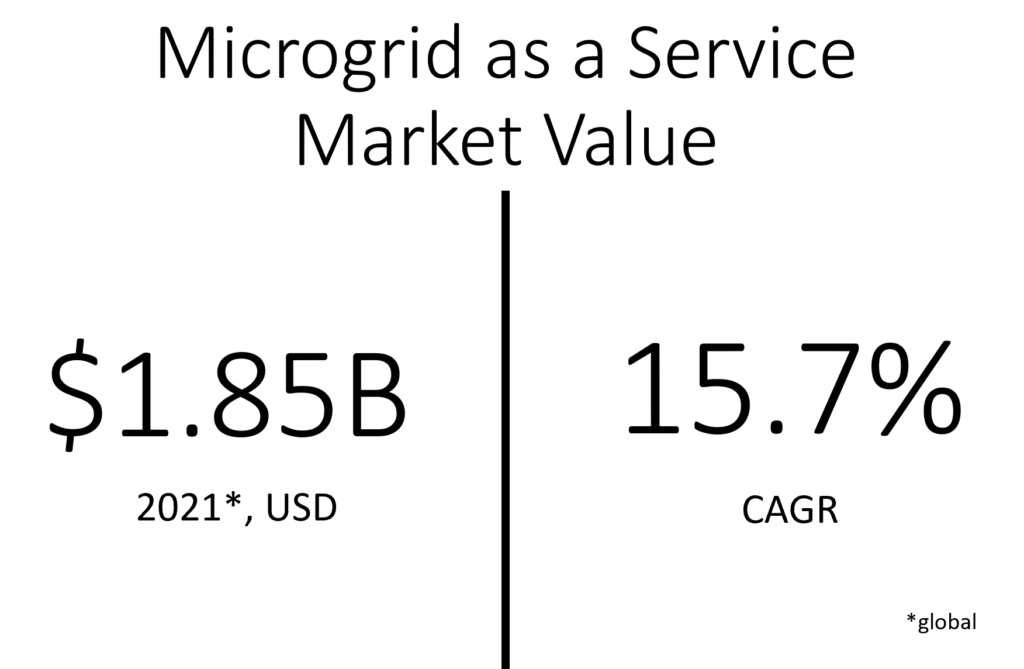
Microgrid projects are capital intensive and require large upfront investment and technical expertise to manage and maintain the system. This has negatively affected its adoption. Offering microgrids as a service (MaaS) is an innovative solution that facilitates adoption at a lower risk threshold. By offering energy through a supply agreement, a shift of responsibility for the design, construction, ownership, and operation of the system falls on the system provider. This increases the accessibility of the technology and allows the system provider to focus on their core strength (design and deployment of the system). This allows for an agile, flexible, and scalable solution that can meet the load requirements of a project. (2)
Where do investment opportunities lie in this sector?
1. Microgrid development: microgrid design, engineering, components, and integration services.
2. Project financing and investment: project financing will play a big role in shaping how the sector grows through deployment of capital.
References
(1) https://globalnews.ca/news/9505587/ontario-explores-possibility-new-large-scale-nuclear-plants/
(2) https://perspectives.se.com/blog-stream/energy-as-a-service-powers-a-decentralized-future
(3) https://www.transparencymarketresearch.com/microgrid-as-a-service-market.html